


Every woman’s experience is unique, and some experience discomfort during or after IUD insertion. As your Paragard® copper IUD is placed, you may feel cramping or pinching sensations; some women feel faint, nauseated, or dizzy for a few minutes afterward. These sensations are normal and typically subside quickly.
Paragard® Placement
To place Paragard, your healthcare provider will:
- Confirm you are not pregnant and verify you are an appropriate candidate for Paragard copper IUD placement
- Perform a pelvic examination to determine the exact position and size of your uterus
- Cleanse your vagina and cervix with antiseptic solution to prevent infection
- Measure your uterus depth using a specialized instrument to ensure proper IUD placement
- Carefully slide a sterile plastic insertion tube containing your Paragard IUD into your uterus
- Remove the insertion tube while leaving your Paragard copper IUD properly positioned inside your uterus
- Trim the threads to the appropriate length so you can easily feel them during monthly self-checks
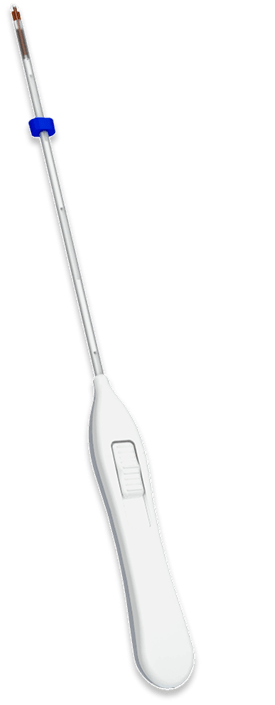
After placement, ask your healthcare provider to explain how to do a self-check of the threads so you feel comfortable doing it on your own. You should also schedule a follow-up appointment about a month afterwards so your healthcare provider can check to make sure Paragard has remained in the right place. Your healthcare provider may check your Paragard once a year as part of your annual visit.
Once in place, you shouldn’t be able to feel Paragard at all. The only part you should be able to feel are the two thin threads that extend out of your cervix. It’s a good habit to do a monthly self-check of the threads to make sure Paragard is still in place.
You can continue to use tampons and you or your partner shouldn’t be able to feel it during sex.
Paragard is hormone-free, so most women will continue to get their monthly period. Some may experience heavier, longer bleeding and spotting, which usually decreases over time. If symptoms persist or you miss a period, please contact your healthcare provider.


9 Out of 10 Women Were Satisfied With Paragard® When Surveyed 3 and 6 Months After Placement*
Paragard® Removal
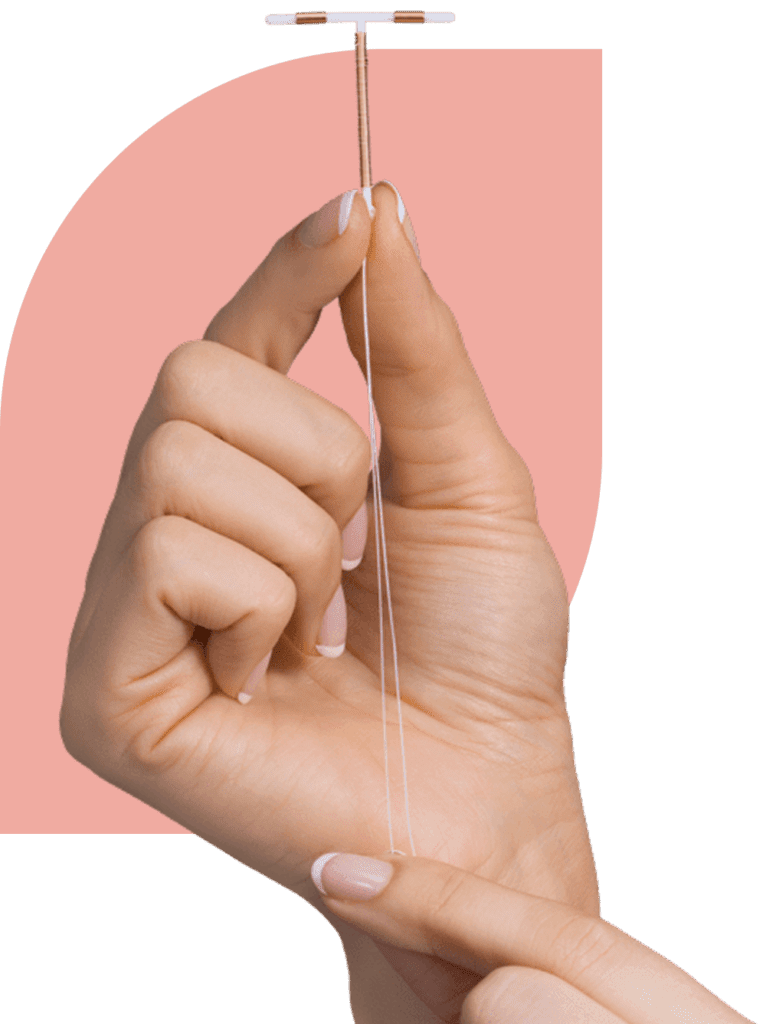
Paragard removal is non-surgical and done by a healthcare provider during a routine office visit in just a few minutes. Paragard lasts for up to 10 years, but can be removed any time sooner if you decide to get pregnant. If you use Paragard for 10 years, it must be removed on or before the 10-year anniversary of placement. You can have a new one placed during that same office visit.
To remove Paragard®, your healthcare provider will:
- Use an instrument to grasp the exposed threads of Paragard and pull downward
- If desired, your healthcare provider will then insert a new Paragard
Some women experience discomfort during removal; however, the procedure generally takes minutes. In rare cases, Paragard may be hard to remove because it is stuck in the uterus. Surgery may sometimes be needed to remove Paragard.